
If you've ever crashed two hours after your morning coffee, you weren't imagining it. The mid-morning slump is perhaps the single biggest source of discontent among coffee drinkers. Increasingly, many are using that excuse to switch to matcha — not eliminating caffeine altogether, but rather getting it in a form that seems smoother and longer-lasting.
In this post, we take an honest look at what actually makes matcha special and how it's prepared, plus what the scientific evidence says about whether you might want to give it a shot toward your own energy and focus goals.
What Makes Matcha Different from Coffee?
Both matcha and caffeine contain levels of caffeine. So far, a lot of similarity ends there.
Caffeine is delivered by coffee in a rapid and quite substantial manner. That is what makes it so effective for a quick morning shock. However, for a lot of people, that quick interest is transformed into an equally rapid decline — fatigue, irritability or difficulty concentrating makes itself felt a few hours later.
Matcha has a moderate amount of caffeine, but it will also contain L-theanine (an amino acid found almost exclusively in tea plants). Research indicates that L-theanine slows the absorption of caffeine, whilst also promoting relaxed alertness through increasing alpha brain wave activity. This, for many, is less of a jolt than a smooth up.
Caffeine and L-theanine are what the majority of people refer to as matcha's clean energy. This is not spontaneous — this is chemistry in action.
Matcha vs. Coffee: A Side-by-Side Look
Here's a general comparison to give you a clearer picture. Keep in mind that individual responses to caffeine vary.
|
Feature |
Matcha |
Coffee |
|
Energy type |
Gradual and steady |
Fast spike |
|
Energy crash |
Minimal for most people |
Common |
|
Focus quality |
Calm and sustained |
Intense but short-term |
|
Stomach sensitivity |
Generally gentler |
Can be acidic for some |
|
Key compounds |
Caffeine, L-theanine, EGCG |
Caffeine, chlorogenic acids |
|
Antioxidant content |
High (especially EGCG catechins) |
Moderate |
|
Mental effect |
Relaxed alertness |
Strong stimulation |
Neither drink is universally better. They serve different needs. But if sustained focus and fewer crashes are your priority, matcha has a structural advantage.

How Matcha Is Made
Now, knowing where matcha came from helps explain why it acts completely different than regular green tea and coffee.
InterpretationMatcha is from the shade-grown green tea leaves known as tencha. The shading process—usually done about three to four weeks before harvest—triggers the plant to create extra chlorophyll and amino acids, including L-theanine. This is not a processing trick, it is how the plant reacts to less sunlight.
The leaves pass through careful production after harvest:
Step-by-Step Production
- Plants are shaded over many weeks to increase chlorophyll and amino acid content
- Hand-picking – Select the quality young and tender leaves
- Steamed — Leaves are steamed for a short period of time to deactivate oxidization enzymes while maintaining nutrients
- Dried — The leaves are dried under controlled conditions so as not to lose their color and compounds
- De-stemming — Removes stems and veins to enhance flavor and texture
- Stone-grinding — Dried leaves are pulverized then sifted into a fine, bright green powder
In steeped green tea, the leaves are discarded whereas matcha is also a whole leaf powder mixed into a liquid. This translates to consuming the entire spectrum of nutrients in the leaf, not only what is steeped into water.
Why Matcha May Support Focus and Wellness
The L-Theanine Effect
Research published through the National Institutes of Health has shown that L-theanine, together with caffeine can perform better in attention, reaction time and cognitive performance than caffeine alone. This synergistic effect is one of the most well-established benefits of matcha.
L-theanine seems to soften the stimulating effects of caffeine, decreasing the chance of shakiness, anxiety, and that heavy crash after an intense caffeine spike.
EGCG and Antioxidant Activity
Matcha is particularly high in a class of antioxidants called catechins, especially epigallocatechin gallate (EGCG). EGCG is known to have actions against oxidative stress, which is related to cellular aging and many chronic diseases.
According to Harvard T.H. Chan School of Public Health, the antioxidant content in green tea is a well-known fact, and matcha [whole-leaf powder] provides a more potent punch than traditional brewed green tea.
Chlorophyll and Nutrient Density
The process of shading (that makes matcha) raises the amount of chlorophyll tremendously and gives matcha its rich deep green alike. Though research is ongoing regarding chlorophyll's direct health benefits in humans, the nutrient adds to matcha's overall density with vitamins A, C and E.
Digestive Comfort
For sensitive people or those with acid reflux, coffee will stimulate the production of more stomach acid which can result in uncomfortable sensations. In general, Matcha is much gentler on the stomach for most people (but do listen to your body).

Who Might Prefer Matcha Over Coffee?
Matcha is not for everyone - and it shouldn't be. However, there are some populations who find this especially well-suited:
- Long study session students need sustained ways to stay mentally alert without the crash
- Workers doing long hours and requiring a continuous amount of focus
- Those sensitive to anxiety or jitters relating to its caffeine content who still want the mental benefits without partaking in green rubber shooting off the walls
- Health-conscious consumers seeking a drink packed with antioxidants and nutrients
- For those looking to embrace the morning in a more mindful way with a calmer and slower rhythm
However, assuming coffee doesn't bother your stomach and you enjoy the flavor, there are no good reasons to switch. Coffee does have well-known health associations with its own — moderate coffee consumption is associated with several health benefits, the Cleveland Clinic notes.
Things to Keep in Mind
Matcha is not caffeine-free. Depending on the making process, one serving typically contains around 30–70 mg of caffeine and approximately 80–100 mg in a standard cup of coffee. The general recommendation is from 1–2 servings of matcha for most adults each day which definitely stays within a safe zone. Possible considerations include:
- If taken late, sleep disruption
- People sensitive to stimulants are especially sensitive to caffeine
- Lead content – some matcha products can have small amounts of lead because it is absorbed from the soil, so sourcing from reputable Japanese producers are often best
- Drug Interactions — If you take any drugs, talk with a health care provider before subsequently increasing your tea intake.
The WebMD overview on matcha provides a good outline of both the positives and negatives to consider.
Of course, moderation is important with any caffeinated beverage. More isn't always better.

The Science Behind "Clean Energy"
We use the term "clean energy" loosely, but in matcha's case it represents something quite distinct: how a number of compounds work together to create an effect that is different from caffeine alone.
Here's the simplified picture:
- Caffeine acts on the central nervous system, makes more dopamine available, and encourages alertness;
- L-theanine balances overactive thoughts by promoting relaxation-associated alpha brain wave activity; a calm yet focused mental state
- Antioxidant protection through EGCG[2], possibly metabolic support as well.
- L-theanine inhibits caffeine absorption causing a slower onset and gentler energy curve
These combine to form a state that so many people describe as "alert but not wired". Your physiology will determine whether you experience this as such, but the mechanism has plenty of support.
Note: if you are specifically looking for research on L-theanine, Examine. Based on evidence, OverviewThis is one of the more comprehensive non-commercial summaries available from com.
FAQ About Matcha
Is matcha actually better than coffee for focus?
Many consumers believe matcha delivers a more stable and longer-lasting focus experience due to the combination of L-theanine and slower caffeine release. It is "better" or worse depending on whether you responded better to a calm focus or need forced focus.
Can I replace coffee with matcha every day?
And yes, many people do it successfully. The trick here is to get a preparation you like and tailor your amount based on how much caffeine your system can handle.
How much caffeine is in matcha vs. coffee?
The average dose of caffeine in one cup of Matcha ranges from around 30–70 mg. An average cup of coffee contains around 80–100 mg. One reason they feel so different is the presence of L-theanine in matcha.
Is matcha safe to drink daily?
1–2 servings per day is a reasonable portion for most healthy adults. If you have any health conditions or take medications, check with a healthcare provider.
What is EGCG and why does it matter?
The matcha catechin antioxidant is EGCG (epigallocatechin gallate). Its related to protecting against oxidative stress and it has been highly researched with regards to its function in cellular health.
Does matcha affect sleep?
It can if you eat it too close to bed time. As with any caffeinated beverage, timing is important. For many, if they complete their last serving by early afternoon before this commences, all is well.
Where can I learn more about ceremonial-grade vs. culinary-grade matcha?
At Ippodo Tea, one of the oldest and most respected tea houses in Japan they have very definitive Matcha grades and sourcing criteria.
Key Takeaway
Matcha and coffee can legally provide caffeine, each serving its own set of benefits. Coffee acts quicker and has a wider availability. Whereas Matcha tends to be more gradual, contains L-theanine which calms focus and is a much better source of antioxidants.
If you deal with energy crashes, caffeine jitters or digestive sensitivity from coffee, happy morning, matcha is definitely worth considering. If coffee suits you great, there really is no convincible reason to go all out ditching it — perhaps even consider using both intermittently depending on your daily needs.
Final Thoughts
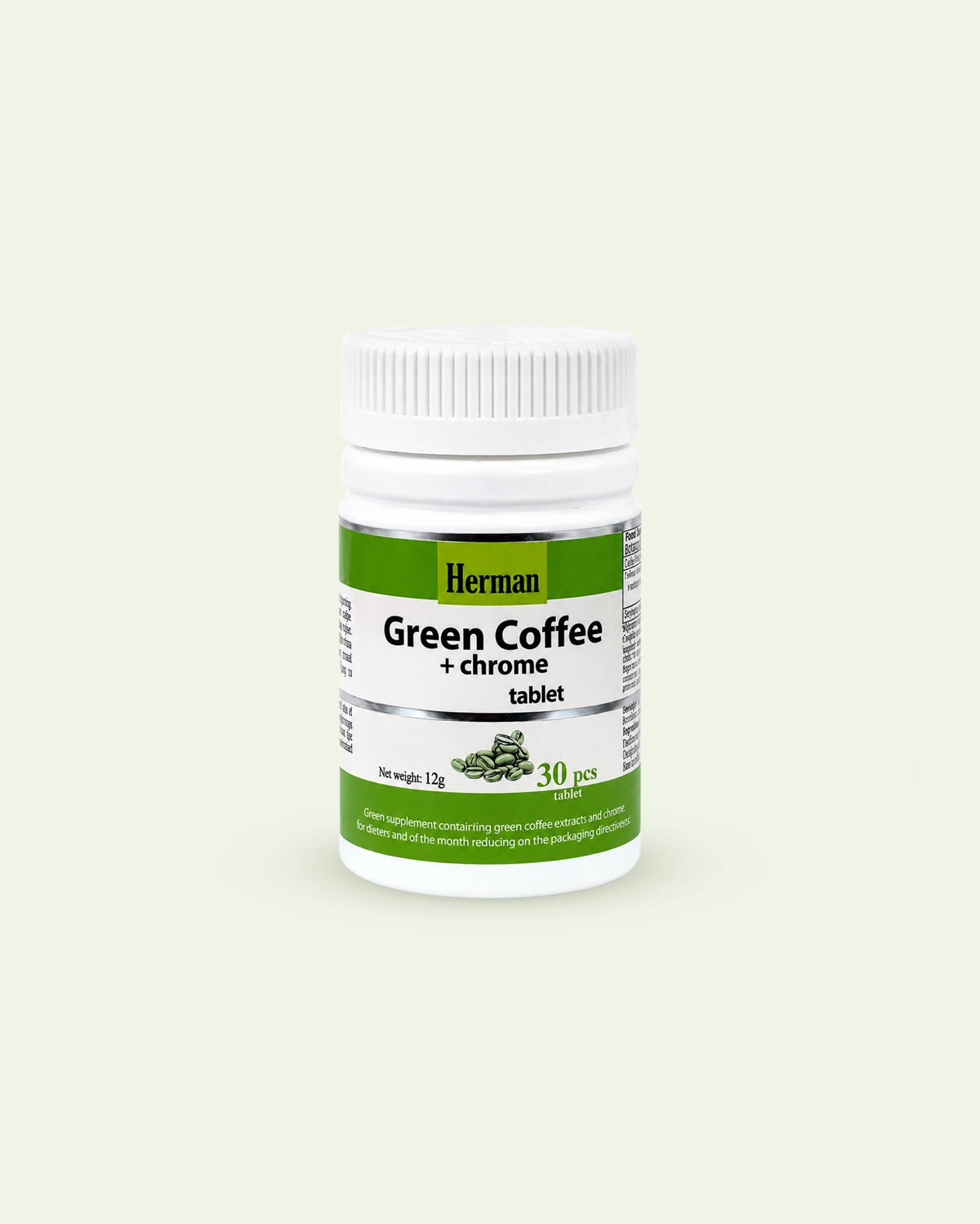
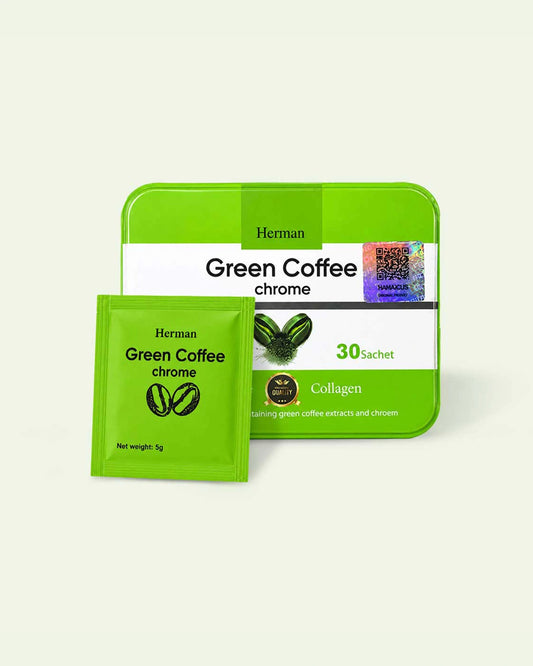
The reason matcha stands out is not hype — it's the synergistic action of its compounds. For numerous individuals, the combination of caffeine, L-theanine, and EGCG provides an energy and focus experience that is truly distinct compared to coffee. There is an alternative product Green Coffee chrome Tablets, helps in weight loss.
Not everyone will be right for it. For those who prefer a more stable energy level, with less crashing, and merit beyond caffeine itself in the form of antioxidant content, matcha is one of the better-researched options around.
All you do is begin by taking one portion per day, see how you have been feeling and chopped all things down the line.