
What is the Benefit of Coffee? (Quick Answer)
Coffee is the beverage that is examined most in the world. The benefits go far beyond being able to get you out of bed in the morning. Consumption of coffee has been linked to enhanced metabolism, higher brain activity, blood sugar maintenance and fat oxidation, and even prevention of diseases in the long run.
However, this is where the most neglected part is: not all coffee is that beneficial. The way coffee is processed - and the form you drink it in - influences the amount of active compounds of coffee that is absorbed within your body.
1. Coffee Boosts Your Metabolism and Helps Burn Fat
One of the best known benefits of coffee is the ability of the substance to elevate metabolic rate. Studies have shown that caffeine, which is the primary active component of coffee, has the potential to increase the metabolic rate, and this makes the body to burn more calories 3-11%, either when resting or during the process of movement.
Caffeine also triggers the release of adrenaline which instructs fat cells to break and release the stored fat to the blood in the form of free fatty acids. This is what made caffeine one of the few natural substances that were proven to facilitate burning of fats.
The compound chlorogenic acid is found in green coffee and is not found in the normal roasted coffee. A famous study-proven substance that reduces the absorption rate of carbohydrates and the direct aid to fat metabolism. Majority of this chlorogenic acid is ruined during coffee roasting, and partly this is one of the reasons green (unroasted) coffee extract becomes more and more popular in the wellness community.
2. Coffee Helps Control Blood Sugar Levels
Researchers time and again prove that individuals who consume coffee regularly have their chances of contracting type 2 diabetes significantly lowered. Scientists believe that this can be attributed to a large extent due to chlorogenic acid that has been shown to regulate the way the body uses glucose following a meal.
This is possible due to the action of chlorogenic acid that suppresses some of the enzymes that are involved in glucose metabolism in the liver, which then enables better insulin sensitivity and reduce spike in blood sugar after a meal. This is particularly urgent with the existing high level of high-carb foods such as sugary foods in our diets today.
It is particularly meaningful to those who already possess some degree of control of their blood sugar, which is one of the main reasons why green coffee extract has been investigated as an add-on in the management of glucose.
3. Coffee Sharpens Focus, Mood, and Mental Performance
Caffeine blocks adenosine receptors in the brain which is the chemical that causes you to be sleepy. This is why the coffee drinkers often have a better alertness, faster reactionary speed, better memory and an improved mood.
Certain moderate levels of caffeine also have been linked to a reduced risk of the development of depression and improved mental performance in the aging population, and even a preventive action against neurodegenerative conditions like Alzheimer and Parkinson disease.
The middle term in this case is moderate. The maximum benefits are estimated to be at 200-400mg incidence caffeine. More than this amount amount is more likely to make one jittery, anxious, and sleep deprived, thus a regulated, measured approach of coffee (a supplement) might be more effective than drinking 4-5 cups/day.
4. Coffee is Loaded with Antioxidants
Coffee is considered to be among the richest food sources of antioxidant in the modern diet. In fact, to many people in the GCC and beyond, coffee constitutes the largest source of all antioxidants through which people in the region consume on a daily basis.
Antioxidants fight oxidative stress - which is a process whereby the free radicals destroy cells and accelerate aging, inflammation and chronic disease. The polyphenols present in coffee that counter such free radicals to suppress systemic inflammation include chlorogenic acid, quercetin, and caffeic acid.
It is due to this reason, that population studies that allowed researchers to conduct studies covering a long range of time, prove that frequent coffee consumers have a decreased risk of a variety of liver diseases, some types of cancer and heart ailments.
5. Coffee Supports Weight Management
Coffee provides a handful of complementary mechanisms for those looking to control their weight:
- Appetite suppression — Caffeine can suppress appetite, which helps with a sustained caloric deficit
- Thermogenesis Coffee has been shown to increase body temperature somewhat, which will help burn more energy in your body
- Enhanced physical performance — Caffeine releases fat stores to use as fuel and can lead to improved endurance, meaning that you’re able to work out longer and burn more calories
These effects are small in isolation, but together with a calorie-restricted diet and regular movement they can add up to something substantial — especially sustained over weeks or months.
Interesting: Some residents of the UAE and Saudi Arabia have discovered that a powdered, standardized green coffee extract combined with chromium yields steadier results than drinking fetchingly brewed coffee. Chromium is another trace mineral that seems to improve insulin sensitivity, working complementarily with green coffee’s chlorogenic acid to support blood sugar.
6. Coffee May Protect the Liver
A number of mass studies have indicated that coffee drinkers are not exposed to the risk of liver cirrhosis, fatty liver disease and liver cancer as compared to non-drinkers. Scientists believe that some of the anti-inflammatory and antioxidant that coffee contains is a direct protection of the liver cells.
Another research indicated that the consumption of 2 or more cups of coffee daily decreased the risk by up to 44% of the risk related to cirrhosis. Even though this study is more relevant to regular coffee consumers, the mentioned compounds, particularly chlorogenic acid, are more abundant in green (unroasted) coffee.
7. Coffee Can Improve Physical Performance
Caffeine elevates blood adrenaline levels, physically priming the body for strenuous exertion. It also liberates fatty acids from fat tissue, which become a second energy source during exercise.
Studies show it can improve physical performance by 11–12% on average. This is part of the reason that caffeine is one of the very few performance-enhancing substances to be still legal, and generally accepted in sports nutrition.
Green Coffee vs. Regular Coffee: What's the Difference?

|
Feature |
Regular Roasted Coffee |
Green Coffee Extract |
|
Chlorogenic Acid |
Mostly destroyed by roasting |
Preserved in high amounts |
|
Caffeine |
High |
Moderate |
|
Antioxidant Profile |
Good |
Superior |
|
Blood Sugar Support |
Moderate |
Strong |
|
Weight Management |
Mild |
More targeted |
|
Suitable for daily supplement use |
Not ideal in large amounts |
Yes, in tablet/capsule form |
Key Takeaway: If your coffee habit is strictly for the antioxidant, fat-burning, and blood sugar benefits of coffee, add shrimp or green beans to your menu plan—green coffee extract contains a much higher and more consistent dose of the active compounds responsible for those effects.
Who Should Pay Attention to These Benefits?
Although anyone can benefit from coffee, certain demographics may find the effects more pertinent:
- People managing their weight — especially those struggling with appetite, slow metabolism, or emotional eating
- Adults over 30 — as metabolism naturally slows with age, coffee's thermogenic effect becomes more valuable
- People with sedentary lifestyles — coffee can partially offset the metabolic effects of low physical activity
- Those managing blood sugar — particularly when green coffee's chlorogenic acid is in play
How to Get the Most Benefit from Coffee
How you drink coffee is very important:
- Avoid added sugar and heavy creamers — these cancel out many of coffee's metabolic benefits
- Time your intake wisely — consuming coffee 30–60 minutes before a meal or workout amplifies its effects
- Choose quality over quantity — 1–2 servings per day of a concentrated, standardized form beats 5 cups of diluted coffee
- Consider a supplement format — tablets or capsules containing green coffee extract deliver a reliable, measured dose without the acidity of brewed coffee
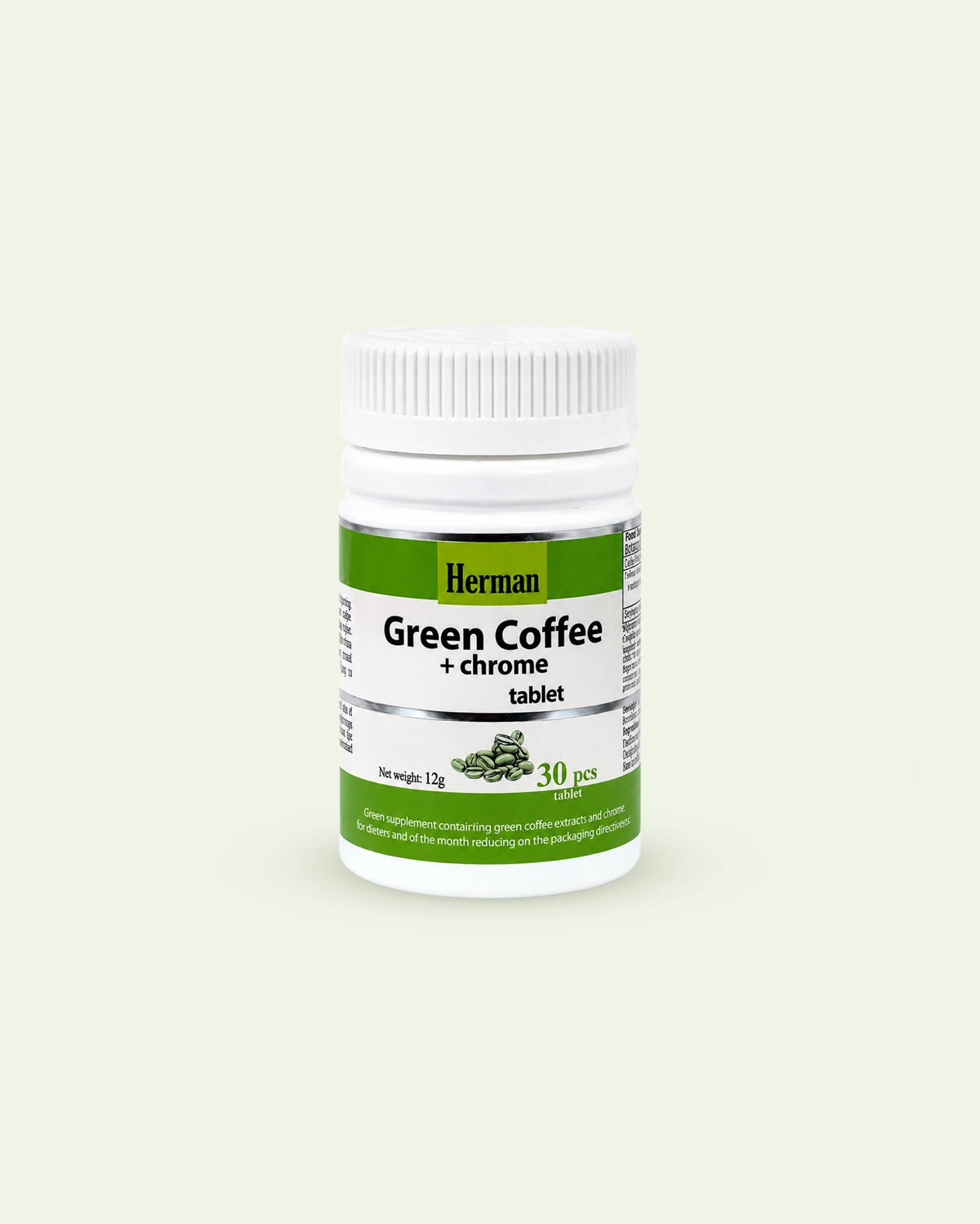
Alternatively, if you enjoy the convenience of a tablet and want two-in-one support bundling up core green coffee benefits with an extra metabolic support dimension, you could consider products like Green Coffee + Chrome Tablet which features well-researched levels of both chlorogenic acid from green coffee extract along with chromium for additional blood sugar and weight management assistance.
Frequently Asked Questions
Does coffee help with losing weight?
Yes, especially via its impact on metabolism, fat mobilization and appetite suppression. Green coffee extract — the version that keeps chlorogenic acid — has more direct evidence behind its weight-management support.
What kind of coffee is the healthiest?
Green (unroasted) coffee extract usually boasts the highest levels of beneficial polyphenols, namely chlorogenic acid. Regular brewed coffee is also healthy in moderation, provided you don't add too much sugar.
How many cups of coffee should I consume each day?
The majority of studies suggest that 2–4 cups (474 mL–948 mL) of brewed coffee per day are safe and healthy for most adults. If using a supplement, adhere to the product’s recommended dosage.
Does coffee help control blood sugar?
Research indicates yes — some 40 studies suggest that chlorogenic acid contained in green coffee slows the absorption of glucose and improves insulin sensitivity when consumed over a longer time.
Is green coffee safe?
Green coffee extract is generally safe for healthy adults. Individuals who are sensitive to caffeine should begin with lesser amounts, and pregnant or breastfeeding women should consult a physician first.
Final Thoughts
Coffee is truly one of nature’s most potent daily wellness weapons — with decades of scientific evidence behind it spanning metabolic health, brain function, weight management and chronic disease prevention.
The most critical variable isn’t how much coffee you consume, but what type of coffee you consume and whether or not you're consistent with it. For those more serious about the metabolic and weight management benefits, green coffee extract — particularly in a standardized, supplement-grade formula — is a far more targeted and reliable alternative than the average cup you’d pull from your kitchen counter each morning.
Whether you are in Riyadh, Dubai or anywhere around the Gulf, considering how your coffee is made could be one of the easiest changes you make to your daily wellness routine.
This article is for informational purposes only and does not constitute medical advice. Consult a healthcare professional before starting any new supplement.