
If you want a lighter coffee habit that fits your wellness goals, green coffee can feel confusing at first. You may wonder whether it tastes like regular coffee, how long to brew it, and whether it works better as beans, powder, or sachets.
This Green coffee brewing guide shows you exactly how to make green coffee at home without overcomplicating your routine. You will learn what green coffee is, how it differs from roasted coffee, how to prepare a simple green coffee drink, and how to adjust the taste for your lifestyle in the Gulf region.
Quick Answer: How do you make green coffee?
To make green coffee, steep crushed green coffee beans or green coffee powder in hot water for 5–10 minutes, then strain and drink warm. Use about 1 tablespoon of beans or 1 sachet per cup. Avoid boiling for too long, as high heat can make the flavor harsh.
Green coffee works best when you treat it as a daily wellness drink, not a quick fix. You can enjoy homemade green coffee in the morning, before a walk, or as a lighter alternative to sweetened beverages.
Key Takeaway: Green coffee is easy to prepare once you know the right water temperature, steeping time, and serving size.
What Is Green Coffee?
Green coffee is made from coffee beans that have not been roasted. These unroasted coffee beans are the seeds found inside coffee cherries, and they are sometimes called raw coffee beans or coffee seeds.
Green coffee looks, smells, and tastes different from roasted coffee. Roasting gives regular coffee its dark color, strong aroma, and bold flavor. Green coffee keeps a lighter, earthy, slightly herbal taste because the beans stay in their natural form.
Green coffee is also known for containing chlorogenic acids, plant compounds that reduce during roasting. Many people interested in wellness, healthy eating, and weight management choose green coffee because it offers a gentler coffee beverage with natural caffeine.
For beginners, the biggest difference is preparation. Brewing green coffee usually means steeping the beans, powder, or extract rather than using an espresso machine. This makes green coffee preparation simple for busy mornings.
|
Feature |
Green Coffee |
Roasted Coffee |
|
Bean type |
Unroasted coffee beans |
Roasted coffee beans |
|
Flavor |
Herbal, mild, earthy |
Bold, bitter, aromatic |
|
Color |
Pale green or beige |
Brown to dark brown |
|
Caffeine |
Natural caffeine source |
Natural caffeine source |
|
Preparation |
Steeping or infusion |
Brewing, espresso, drip |
|
Common use |
Wellness drink |
Daily coffee beverage |
Key Takeaway: Green coffee is unroasted coffee that offers a lighter flavor and a simple way to enjoy coffee as part of a wellness-focused routine.
What Are the Benefits of Green Coffee?
Green coffee may support a healthy lifestyle when you combine it with balanced meals, regular movement, hydration, and enough sleep. It is not a medicine, and it should not replace medical advice, prescribed treatment, or a healthy diet.
Health disclaimer: Green coffee is not a substitute for medical advice or a balanced lifestyle. If you are pregnant, breastfeeding, sensitive to caffeine, taking medication, or managing a health condition, speak with a qualified healthcare professional before using green coffee products.
1. It offers a lighter coffee option
Green coffee has a milder taste than roasted coffee, making it useful for people who find regular coffee too strong or acidic.
2. It contains natural caffeine
Green coffee acts as a natural caffeine source, so it may help you feel more alert. Your response depends on your caffeine tolerance, sleep quality, and serving size.
3. It may fit weight management routines
Green coffee is often used by adults who want a low-calorie drink to support healthier habits. The benefit comes from the full routine, not the drink alone.
4. It can replace sugary drinks.
A plain green coffee beverage has very few calories when served without sugar, syrup, or cream. This makes it a practical swap for sweetened drinks.
5. It contains plant compounds.
Green coffee keeps more chlorogenic acids than roasted coffee because the beans are not exposed to high roasting temperatures.
Key Takeaway: Green coffee may support wellness goals, but the best results come when you pair it with food quality, movement, sleep, and consistency.
How to Make Green Coffee at Home?
Learning how to make green coffee is simple once you choose your format: whole green coffee beans, crushed beans, powder, extract, or sachets. Each method creates a slightly different coffee infusion, but the basic idea stays the same: use hot water, give it time, and avoid over-boiling.
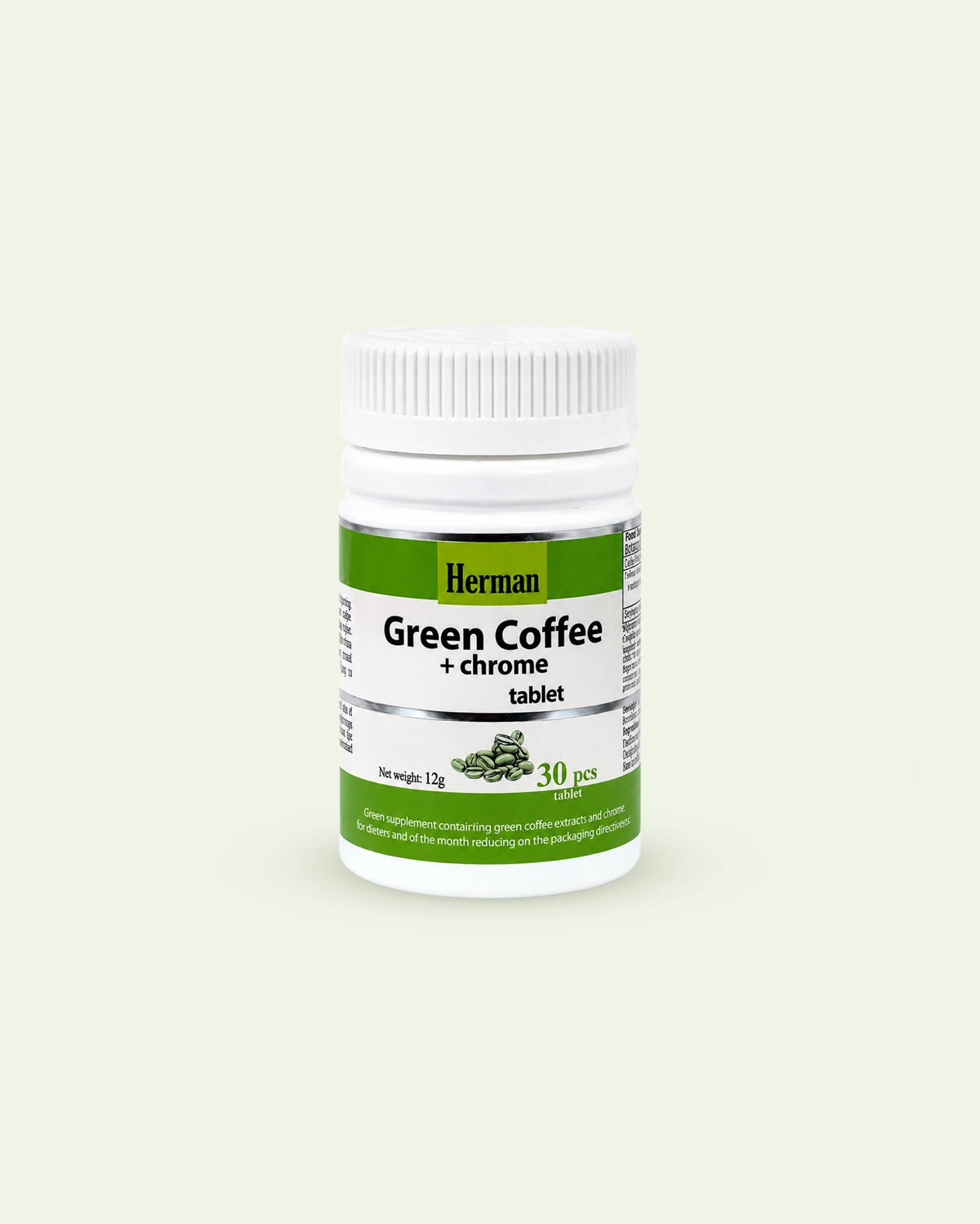
For a convenient daily option, you can explore wellness-focused green coffee products from Green Coffee By Herman and choose the format that suits your schedule.
How Do You Make Green Coffee With Whole Beans?
Whole green coffee beans need extra preparation because they are firm and dense. This method gives you the most traditional homemade green coffee experience. You need:
- 1 tablespoon green coffee beans
- 1 cup water, about 250 ml
- Grinder, mortar, or rolling pin
- Small pot or heat-safe cup
- Strainer
Steps:
-
Rinse the beans: Rinse the green coffee beans quickly under clean water to remove dust. Do not soak them for hours unless your recipe calls for it.
-
Crush the beans lightly: Crush the beans into coarse pieces using a grinder, mortar, or rolling pin. You do not need a fine powder; coarse pieces allow better coffee bean extraction.
-
Heat the water: Heat 250 ml of water until hot, but not aggressively boiling. A good range is about 90–95°C.
-
Steep for 8–10 minutes: Add the crushed beans to hot water and let them steep. A longer steep creates a stronger green coffee drink, but too long can make it bitter.
-
Strain and serve: Strain the liquid into a cup and drink it warm. You can add lemon, mint, or cinnamon if you prefer a fresher taste.
How Do You Make Green Coffee With Powder?
Green coffee powder is easier for beginners because it needs less preparation. This method works well when you want a quick cup before work or after a morning walk. Steps:
- Add 1 teaspoon of green coffee powder to a cup.
- Pour 200–250 ml of hot water over it.
- Stir well for 20–30 seconds.
- Let it sit for 3–5 minutes.
- Strain if needed, then drink warm.
This green coffee recipe creates a mild drink. If the taste feels too strong, reduce the powder slightly or add more water.
How Do You Make Green Coffee With Sachets?
Sachets are the easiest option for busy routines. They give you a measured serving, which helps you stay consistent without guessing. Steps:
- Empty 1 sachet into a cup.
- Add 200–250 ml of warm or hot water.
- Stir until fully mixed.
- Drink as directed on the pack.
- Avoid adding sugar if your goal is weight management.
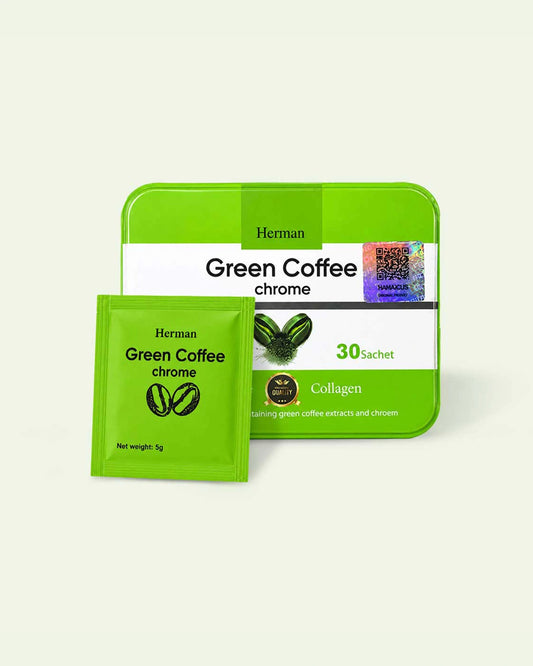
If you prefer a simple daily format, Green Coffee Chrome Sachets can make green coffee for beginners easier to follow.
How Do You Make Green Coffee Extract?
Green coffee extract is a concentrated form of green coffee. It may come as liquid, capsules, or powder, depending on the product.
Always follow the serving directions on the label. Extracts vary in strength, so using more than suggested does not mean better results. If you want a product that combines green coffee with chromium, review Green Coffee Plus Chrome as part of your wellness routine.
Key Takeaway: The best brewing method depends on your schedule. Whole beans offer a traditional infusion, powder is quick, and sachets are the most convenient.
What Are the Best Tips for Brewing Green Coffee?
Use hot, not harshly boiling, water
Water around 90–95°C helps extract flavor without making the drink too sharp. Let boiled water rest for 1 minute before pouring.
Start with a mild serving
Begin with 1 teaspoon of powder or 1 tablespoon of crushed beans per cup. You can adjust after 3–5 servings based on taste and tolerance.
Drink it without sugar first
Plain green coffee helps you understand the natural flavor. If needed, add lemon, mint, cinnamon, or a small amount of honey.
Keep your timing consistent
Many people prefer green coffee in the morning or early afternoon. Avoid drinking it late at night if caffeine affects your sleep.
Store beans away from heat
Keep raw coffee beans in an airtight container. Store them in a cool, dry place away from direct sunlight.
Pair it with a meal plan
Green coffee works best alongside balanced meals with protein, fiber, and healthy fats. It cannot cancel out a high-sugar diet.
Key Takeaway: Good green coffee preparation comes down to the right serving size, water temperature, timing, and consistency.
What Green Coffee Recipes and Variations Can You Try?
A green coffee drink does not have to taste the same every day. You can adjust it based on weather, mood, and your wellness goals.
Lemon Mint Green Coffee Recipe
Lemon mint green coffee tastes fresh and light, especially in warm Gulf weather. Brew 1 cup of green coffee, then add 1 teaspoon of lemon juice and 3–4 mint leaves. Drink it warm or let it cool over ice.
Cinnamon Green Coffee
Cinnamon adds warmth without adding sugar. Brew your green coffee, then stir in a small pinch of cinnamon. This works well for people who want a cozy drink in the morning.
Iced Green Coffee Beverage
Iced green coffee is useful when you want a refreshing drink after a walk or workout. Brew green coffee as usual, let it cool for 10–15 minutes, then pour it over ice. Add lemon slices or cucumber for a clean taste.
Gentle Beginner Blend
A beginner blend uses more water and less green coffee powder. Mix ½ teaspoon of powder with 250 ml of hot water. This version helps you adapt to the earthy flavor slowly.
Key Takeaway: Green coffee recipes are flexible. Start simple, then add lemon, mint, cinnamon, or ice to match your taste.
What Common Mistakes Should You Avoid?
Using too much green coffee
More is not always better. High servings may increase caffeine-related discomfort, such as restlessness or poor sleep.
Boiling the beans for too long
Long boiling can make green coffee taste bitter and harsh. Steeping usually gives a smoother result.
Expecting instant weight loss
Green coffee is not a magic solution. Healthy weight management needs calorie awareness, movement, sleep, and consistency.
Adding too much sugar
Sugar can turn a low-calorie drink into a sweet beverage. Use lemon, mint, or cinnamon before reaching for sweeteners.
Ignoring caffeine sensitivity
Some people feel caffeine more strongly than others. Start with a small serving if coffee affects your heart rate, sleep, or digestion.
Key Takeaway: Avoid over-brewing, over-serving, and over-sweetening. Green coffee works best as a simple, consistent wellness drink.
FAQ: Green Coffee for Beginners
1. What does green coffee taste like?
Green coffee tastes mild, earthy, and slightly herbal. It does not taste like roasted coffee because the beans have not gone through roasting. Some people compare the flavor to herbal tea with a light coffee note.
2. How much green coffee should I drink per day?
Most beginners start with 1 cup per day to assess taste and caffeine tolerance. If you feel comfortable, you may follow the serving directions on your chosen product. Avoid taking extra servings just to speed up results.
3. Is green coffee safe?
Green coffee is generally used as a coffee beverage, but it still contains caffeine. People who are pregnant, breastfeeding, caffeine-sensitive, or taking medication should ask a healthcare professional first. Green coffee should not replace medical care or a balanced lifestyle.
4. Can I drink green coffee for weight management?
Green coffee may fit a weight management routine when you combine it with healthy meals, physical activity, and good sleep. It does not cause guaranteed weight loss on its own. Think of it as a supportive drink, not a shortcut.
5. When is the best time to drink green coffee?
Many people drink green coffee in the morning or early afternoon. This timing helps reduce the chance of caffeine affecting sleep. If you are sensitive to caffeine, avoid drinking it after mid-afternoon.
6. Can I make green coffee without grinding the beans?
You can make green coffee without grinding, but crushed beans release flavor better than whole beans. Whole beans are dense, so extraction takes longer. Lightly crushing them improves the coffee infusion and gives a better taste.
7. Is green coffee better than roasted coffee?
Green coffee is not automatically better than roasted coffee; it is simply different. Green coffee has a lighter taste and keeps more heat-sensitive plant compounds. Roasted coffee has a stronger flavor and a more familiar aroma.
8. Can I drink green coffee cold?
You can drink green coffee cold after brewing it with hot water first. Let the drink cool for 10–15 minutes, then add ice. Cold green coffee works well with lemon, mint, or cucumber slices.
9. What is the easiest green coffee option for beginners?
Sachets are often the easiest option because they come in measured servings. Powder is also beginner-friendly because it mixes quickly with hot water. Whole beans suit people who enjoy a more hands-on brewing method.
Key Takeaway: Green coffee is flexible, but beginners should start small, watch caffeine tolerance, and choose the format that fits their routine.
Conclusion
Green coffee is a simple wellness drink made from unroasted coffee beans, and you can prepare it with beans, powder, extract, or sachets. This green coffee brewing guide gives you the basics of how to make green coffee, avoid common mistakes, and build a routine that feels realistic.
If you want an easier way to start, choose a green coffee format that fits your schedule and taste preferences. A small daily habit, done consistently, can support a healthier lifestyle better than an extreme plan you cannot maintain.
Key Takeaway: Start with one mild cup, keep your recipe simple, and let green coffee become a steady part of your wellness routine.